
Seasonal Car Battery Care and Inspection Basics
Seasonal car battery care helps drivers avoid unexpected no‑start situations as temperatures swing between hot summers and cold winters. This overview walks through a simple inspection routine, basic cold‑weather starting tips, and cleaning practices so drivers can plan battery testing and replacement before problems appear.
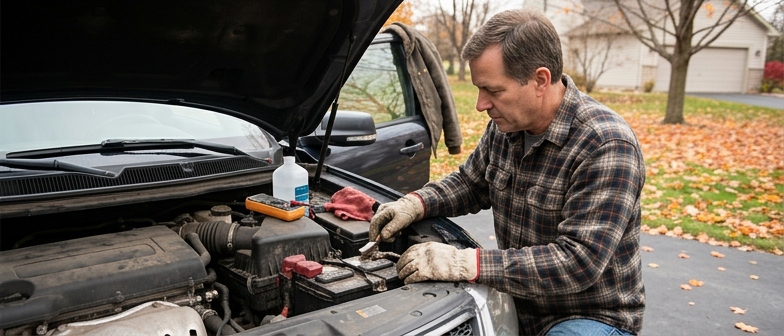
This story is part of Esgamesol's practical reading library across everyday topics.
Why seasonal care matters
Car batteries are sensitive to temperature changes, and seasonal shifts can gradually weaken their performance. In hot weather, high under-hood temperatures can accelerate chemical reactions inside the battery, which may lead to faster fluid evaporation and internal wear. In colder months, the same battery has to work harder because low temperatures reduce its ability to deliver power, just when engines require more energy to start. Paying attention to how climate affects the battery helps drivers plan a simple care routine instead of only reacting when the vehicle fails to start.
Seasonal car battery care focuses on preserving basic battery health through inspection, cleaning, and monitoring. Checking connections, looking for corrosion, and noticing slower cranking or dimmer lights can give an early warning that the battery is under stress from weather or age. By recognizing that batteries have a limited life and that extreme conditions can shorten it, drivers can schedule maintenance or replacement before problems occur on the road. This steady, season-aware approach supports more reliable starting and helps the electrical system operate as designed throughout the year.
Battery inspection routine
A practical battery inspection routine relies on a few simple checks that most drivers can perform at home or request during regular service visits. Begin with a visual look for corrosion around the terminals, loose or frayed cables, and cracks or bulges in the battery case. Confirm that the battery is firmly secured in its tray, because vibration and movement can damage internal components over time. If the battery has a charge indicator window or similar feature, note changes that suggest low charge or aging. It is also useful to know the battery’s age, since units that are several years old benefit from more frequent observation to catch weakening performance before it causes starting difficulties.
To supplement visual checks, include basic electrical assessments during scheduled maintenance. Service providers commonly measure resting voltage and may perform a load test to see how well the battery maintains power when demand is high; these results help decide when closer monitoring or planning for replacement makes sense. Between visits, pay attention to early warning signs such as slow engine cranking, headlights that dim noticeably at idle, or new dashboard warning lights, as these can point to issues in the battery or charging system. A routine that combines regular inspection, occasional professional testing, and awareness of changes in the vehicle’s electrical behavior supports more reliable starting across changing seasons.
| Inspection Step | What to Look For | Suggested Action | Priority Level |
|---|---|---|---|
| Battery case and mounting | Cracks, bulges, loose hold-down | Schedule service check and secure mounting | High |
| Terminals and cables | Corrosion, frayed or loose connections | Clean terminals and tighten or replace cables | High |
| Charge indicator or age tag | Low charge signal, older production date | Increase monitoring and discuss replacement timing | Medium |
| Resting voltage test | Borderline or inconsistent readings | Request professional load test and electrical review | High |
| Driving behavior cues | Slow cranking, dim lights, warning icons | Note patterns and plan diagnostic visit | High |
| Seasonal readiness | Recent extreme heat or cold exposure | Add inspection before seasonal temperature swings | Medium |
Key checks in each inspection
Begin each battery inspection with a quick look at the case and mounting. Check for cracks, bulges, or leaks, and confirm the hold-down bracket keeps the battery secure without allowing movement or crushing the case.
Then review the terminals and cables in the vehicle’s electrical system. Terminals should be clean, with no heavy corrosion, and cable connections should feel snug; corrosion, damage, or frayed insulation warrant cleaning or professional evaluation.
Finish with simple electrical checks that may reveal developing issues. Notice whether headlights dim at idle, the engine cranks slowly, warning lights appear, or accessories behave unpredictably, and seek diagnostic testing if these symptoms emerge.
Cold weather starting tips
Cold temperatures slow the chemical reactions inside a car battery and make engines harder to crank, so starting power drops just when it is needed most. As part of seasonal car battery care, have the battery tested in late fall to understand its condition, and consider asking a professional to check the charging system and starter draw if you notice slow cranking, dim lights at idle, or warning indicators. Parking in a garage or other sheltered spot limits exposure to extreme cold, and turning off accessories before shutting down the vehicle reduces strain on the battery between trips.
On very cold mornings, switch off the heater fan, defroster, radio, and seat warmers before you start the engine so more battery power goes to the starter. If the engine does not fire quickly, avoid long continuous cranking; use shorter attempts with brief pauses to help protect the starter and reduce unnecessary drain. Vehicles that sit for days at a time benefit from occasional longer drives, which allow the alternator to recharge the battery more fully than a series of short winter errands with high electrical loads.
Winter preparation also means planning for roadside problems and keeping up with basic battery care. Jumper cables or a suitably rated portable jump pack, along with gloves and a small flashlight, can make a cold weather no-start easier to handle. Before winter, inspect battery posts and terminals, removing corrosion and tightening connections so current flows more reliably in freezing conditions. If testing shows the battery is weak or aging, arranging a replacement before the coldest months can lower the chance of being stranded, provided the new unit meets the vehicle manufacturer’s specifications.
Reducing battery strain in cold
To reduce strain on the battery in very cold weather, switch off nonessential electrical accessories such as heaters, defrosters, seat warmers, and audio systems before starting the engine, then turn them back on gradually once the engine runs smoothly. Avoid repeated or long cranking attempts, and give the electrical system a few seconds with the key in the on position before you start.
Before winter, check the vehicle’s electrical system to limit battery stress. Look for dim or flickering lights with the engine running and ensure nothing is left drawing power when parked, like chargers or interior lights. If you notice slow cranking or unusual warning lights, consider having a technician test the battery and charging system so issues are found before temperatures drop further.
Battery cleaning and protection
Keeping the battery case, terminals, and surrounding area clean helps the electrical system work more reliably. Before working on the battery, switch off the engine, remove the key, and, if you are comfortable, disconnect the negative cable first to reduce the chance of short circuits. Dirt, moisture, and road salt can contribute to corrosion and stray current. A mild mix of baking soda and water can help loosen crusted buildup on the terminals, followed by a rinse with clean water and careful drying. Using non-metallic brushes and avoiding forceful scraping lowers the risk of damaging the posts or nearby components. After reconnecting the cables, making sure each connection is secure but not overtightened supports steady power supply to the starter, lights, and other electronics.
Protection is as important as cleaning. Inspect cables for cracked insulation, loose clamps, or exposed wire, as these can interfere with charging and starting and may require attention from a qualified technician. Confirm that the battery is properly secured in its tray to limit vibration that might loosen connections or affect internal parts. Some drivers use terminal pads or a light layer of products designed to slow corrosion around the posts; these should be applied sparingly and kept away from moving parts. As part of a simple electrical check, look for frayed wires, added accessories without proper fuses, or changes in how quickly lights dim or brighten. Addressing visible wear and keeping exterior surfaces in good condition supports more consistent performance across different seasons.
Planning for replacement and roadside readiness
Planning battery replacement before a failure can help reduce the likelihood of being stranded on the roadside. Many batteries start to lose performance after several years of use, depending on driving patterns, climate, and vehicle demands. If test results show weakening capacity, or if you notice slow cranking, recurrent warning lights, or visible damage to the case or terminals, it may be reasonable to schedule replacement during routine service rather than waiting for the battery to fail.
Roadside readiness also involves simple preparation. Keeping jumper cables or a compatible portable booster, gloves, and a compact flashlight in the vehicle can make it easier to manage a dead battery situation. Reviewing the vehicle’s owner’s manual for recommended jump-start procedures and electrical system precautions helps ensure that any roadside battery assistance is carried out in a way that aligns with manufacturer guidance. Combined with seasonal inspection and cleaning, this preparation supports more predictable responses when battery issues occur away from home.
Q&A
-
Why does seasonal car battery care matter for everyday drivers?
Temperature swings affect how well a battery can crank the engine and hold a charge. Paying attention to it a few times a year helps catch wear or weak performance before you end up with a no‑start situation. -
What is a simple battery inspection routine I can follow at home?
Look for corrosion on terminals, loose or damaged cables, and any cracks or bulges in the case. Make sure the battery is tightly secured and note its age so older units get checked more often. -
How can I make cold‑weather starting easier on my battery?
Test the battery before winter, park in a sheltered spot when possible, and turn off heaters, defrosters, and other accessories before shutoff so the next start draws less initial power. -
What is the safest way to clean car battery terminals?
With the engine off, disconnect the negative cable first, use a mild baking‑soda‑and‑water mix on corrosion, rinse with clean water, dry carefully, then reconnect cables securely without overtightening. -
When should I start planning for battery replacement?
Many batteries show decline after several years. If testing reveals low reserve capacity, you notice slow cranking, or the case shows damage, it is reasonable to schedule replacement rather than wait for failure.