
Hybrid Driving Made Easy: Everyday Habits That Protect Your Battery and Save Fuel
Sliding behind the wheel of a hybrid changes more than your fuel receipts; it changes how you think about every mile. Gentle starts, planned slowing, and thoughtful route choices all influence how efficiently the system works, how long key components last, and how cleanly you travel.
This story is part of Esgamesol's practical reading library across everyday topics.
Getting used to how your car really moves
What is happening under the hood, in plain language
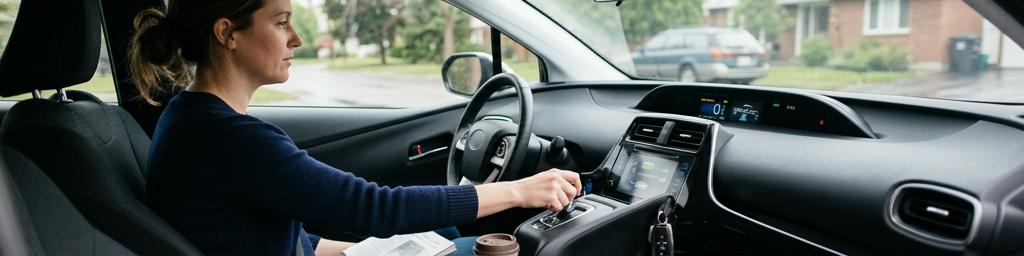
From the driver’s seat, a hybrid behaves much like any other automatic. There is still an engine, a gear selector and a fuel filler. The difference is an electric motor and a battery pack silently joining in, taking on low‑speed work and helping the engine when you ask for more push. In slow crawls, parking lots or gentle neighbourhood streets, the motor can move the car on its own for short stretches, then hand back to the engine as speed and demand rise. You do not need to juggle modes; computers constantly decide which source should do what. That is why the engine may go quiet at a red light and restart as you pull away.
Dash displays that quietly coach your right foot
Once you know that power is constantly flowing between engine, motor and battery, the dashboard stops looking like a toy and starts feeling useful. Many hybrids show a simple gauge that swings between “assist” and “charge” as you accelerate and slow. Treat it like a gentle coach rather than a test. Smooth, moderate pedal inputs tend to keep the needle in the efficient zone, meaning the engine is not working harder than needed and the battery is staying comfortable. If the gauge lives at the high end, the car is repeatedly being asked for strong bursts of power, which drinks fuel and warms components unnecessarily.
Why smoothness makes everything feel easier
Thinking of the car as a partner rather than a gadget changes how you drive. Calm, steady inputs give the systems time to share work between motor and engine instead of scrambling to react. Easing into the accelerator, rather than stamping, often keeps the car in electric‑leaning operation longer at town speeds. The result is a quieter cabin, fewer gear ratio changes and surprisingly relaxed progress in heavy traffic. Over time, the smoother style becomes automatic, and you simply notice that the fuel gauge drops more slowly and the car feels less stressed.
Day‑to‑day habits that protect key components
Using the car regularly and planning sensible trips
Hybrids are happiest when they are used, not stored. Long periods sitting still can leave both the large traction pack and the smaller 12‑volt battery a bit low and lethargic. A weekly drive, even a short local loop, keeps fluids circulating, electronics awake and the pack cycling gently. Trip pattern matters too. Lots of very short, cold journeys give little time for the engine to warm and the system to settle into an efficient rhythm. When practical, combining errands into one loop cuts down cold starts and lets the car run in its comfort zone for longer stretches.
Heat, parking choices and battery comfort
Rechargeable packs dislike extremes, especially baking heat. Regularly leaving the car in direct, intense sun for long stretches makes the battery cooling fan and cabin climate system work harder. Choosing a shaded space, a carport, or simply the cooler side of a street takes the edge off. On very hot days, cracking windows slightly where safe, or using windscreen shades, helps the interior and the area around the pack stay closer to a friendly temperature. Inside the cabin, keep an eye on any vents near rear seats or luggage areas; those often feed the battery cooling system and should not be buried under bags or pet blankets.
Gentle acceleration and avoiding constant “sport” driving
Hybrid drivetrains are perfectly capable of brisk acceleration for merging or overtaking, but using that punch at every light keeps the engine and battery working unnecessarily hard. A progressive squeeze on the pedal lets the motor contribute efficiently, reduces how often the engine races and limits sharp current spikes into and out of the pack. Think of “fast when needed, smooth the rest of the time.” You still have full performance in reserve for safety, yet the everyday pattern is kinder to mechanical parts, quieter for passengers and easier on your wallet.
| Everyday choice | Kinder habit for the car | Typical benefit for the driver |
|---|---|---|
| Three separate tiny errands | One combined loop once things are warmed up | Fewer cold starts, calmer schedule |
| Roof box always fitted | Remove when not needed | Less drag, quieter drive |
| Always rushing away from lights | Leave with traffic, smooth pedal use | Lower stress, more consistent consumption |
| Parking in full sun by default | Choosing shade or covered spots when available | Cooler cabin, gentler conditions for pack |
These small choices do not require sacrifice, yet they add up to a more relaxed ownership experience.
Making the most of slowing down
How capturing energy really feels from the driver’s seat
One of the signature tricks of a hybrid is turning slowing into electricity rather than waste heat. Lift off the accelerator or press the brake lightly and the motor often flips into generator mode, feeding charge back into the pack. From your side, it simply feels like the car is dragging a little more when you come off the pedal, or that the first part of the brake stroke feels firm but smooth. Harder braking then blends in traditional pads and discs. Different models vary in how strong that initial slowing feels, so it is worth spending a few early drives just noticing how your car behaves as you lift and brake gently.
Planning earlier, softer stops
To give the system time to harvest energy, think of braking as something that starts a little earlier and happens more gently. Spot a red light or queue ahead? Come off the accelerator sooner instead of charging up to the bumper and then standing on the pedal. A long, smooth glide to a halt usually recovers more energy than a short, sharp stop. This approach also keeps passengers’ heads from bobbing and can reduce motion sickness in busy city streets. You are not trying to drive slowly; you are simply trading a series of rushed bursts and jabs for a controlled roll and confident, light braking.
When to use stronger regeneration settings
Some cars offer a “B” or low setting that increases deceleration when you lift off, useful on long downhill sections where you want to keep speed in check without riding the brakes. In those situations, the car can reclaim a steady trickle of energy while holding a safe pace. Around town, however, an aggressive setting may feel grabby, or surprise drivers behind if the car slows quickly whenever you ease off. Treat extra‑strong regeneration like any other assist mode: helpful when conditions match, unnecessary when they do not. The standard setting is already tuned for normal urban and suburban use.
Simple care that keeps everything cooperating
Looking after both batteries
Hybrids carry two main electrical stores: the big traction pack and the familiar 12‑volt battery. The large pack is managed and protected by the car, but it relies on clear cooling paths and sensible use patterns. Regular services that include cleaning the battery fan intake and ducting are worthwhile, especially in cars used by families with pets or lots of luggage. The smaller battery quietly powers locks, computers and the system that wakes the hybrid. When it weakens, odd warning lights or failure to enter “ready” mode can appear. Asking for a quick health check during routine visits and replacing it when flagged as tired is far cheaper than being stranded.
Fluids, software and scheduled checks
Under the extra technology, there is still an internal‑combustion engine needing clean oil and the correct coolant. Sticking to the recommended service intervals keeps lubrication fresh and temperatures under control. Some hybrids also have separate coolant circuits for power electronics; those deserve the same attention. Scheduled inspections are a chance for technicians to spot small leaks, worn components or outdated software. Modern control units can be refined with updates that improve how engine and motor share work, so allowing those updates during service can subtly improve driveability and efficiency without any extra effort from you.
Tyres, brakes and occasional “exercise”
Good tyres make a bigger difference than many owners expect. Correct pressures reduce rolling resistance and support stable handling, especially when regenerative and friction braking blend at the limit. Regular rotations and alignment checks keep the contact patches working evenly, which also helps braking feel consistent. Although regeneration can mean pads and discs last a long time, they still need occasional use. After long periods of very gentle driving or storage, it can help to do a short drive that involves a few firmer, safe stops to clean light surface rust and keep everything moving freely.
| Area of care | Simple owner action | Long‑term upside |
|---|---|---|
| Traction pack cooling | Keep interior vents clear, mention fan cleaning at service | More stable temperatures, less thermal stress |
| 12‑volt battery | Request periodic health checks | Fewer surprise non‑start situations |
| Tyres | Check pressures monthly, rotate on schedule | Better grip, steadier efficiency, quieter ride |
| Software and checks | Approve recommended updates and inspections | Smoother cooperation between engine and motor |
Treating these as routine, not special, turns ownership into something low‑drama.
Q&A
-
How can Fuel-Saving Driving Habits improve both mileage and vehicle longevity?
Smooth acceleration, maintaining steady speeds, and anticipating traffic reduce fuel use and mechanical stress, lowering running costs, extending engine and brake life, and improving overall driving comfort and safety. -
What should drivers know about Regenerative Braking Awareness in hybrids and EVs?
Drivers should learn to lift off the accelerator earlier, use “B” or high‑regen modes when suitable, and watch energy flow displays to maximize energy recovery without compromising safety or comfort. -
What are the key Hybrid Battery Basics every new hybrid owner should understand?
Hybrid owners should know the battery operates best between mid‑charge levels, is cooled by fans or liquid systems, needs unobstructed vents, and can last many years with proper driving and maintenance. -
How can Everyday Eco-Driving fit into normal commutes without slowing you down?
Eco‑driving means planning routes, avoiding hard launches, coasting to red lights, and using cruise control wisely, which cuts fuel use and emissions while keeping travel time nearly unchanged for most trips. -
How do Smart Car Technology features support Low-Emission Transport in daily life?
Adaptive cruise, eco modes, navigation with traffic and elevation data, and real‑time efficiency feedback help drivers choose cleaner routes, maintain efficient speeds, and reduce unnecessary idling and acceleration.