
Healthy Meal Planning That Fits Real Life: From Grocery List to Dinner Plate
Most people know eating well matters, but busy schedules, tight budgets, and takeout menus can quickly derail good intentions. With a little forethought at the store and in the kitchen, everyday meals can become simpler, more enjoyable, and steadily better for long-term health.
This story is part of Esgamesol's practical reading library across everyday topics.
A Weekly Outline That Fits Real Life
Turn vague ideas into a loose weekly rhythm
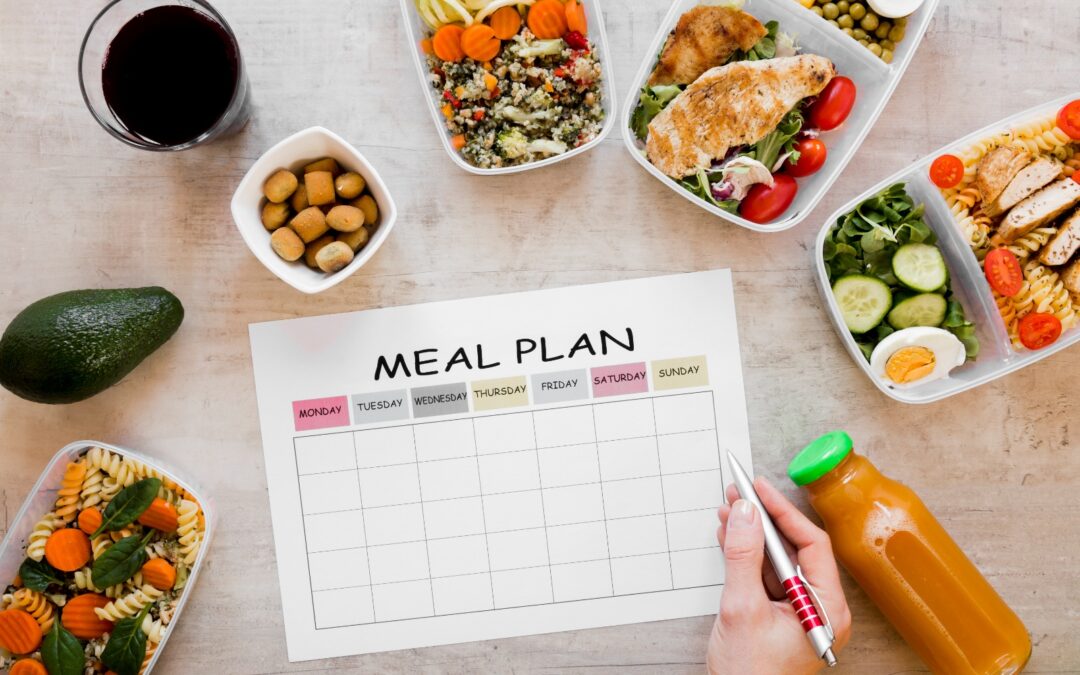
Healthy eating is easier when it follows the rhythm of real days instead of an ideal calendar. Start by looking at the week and marking your busiest evenings, social plans, and times when energy is usually low. Busy nights get ultra‑quick options or leftovers; calmer days get more involved cooking. Aim for just a handful of main dinners, not a different masterpiece every evening. For example, choose one soup or stew, one sheet‑pan meal, one stir‑fry, one pasta or grain dish, and one extra‑easy night. The rest can be filled with leftovers, freezer meals, or simple snack‑style plates.
Use “themes” instead of strict menus
Repeating gentle themes cuts down the “What’s for dinner?” stress. One evening might generally be for soup and bread, another for stir‑fries or bowls, another for oven meals, and another for “breakfast‑for‑dinner.” The exact recipe can change, but the pattern stays. This makes it easier to shop and to adjust when plans change. If a busy day pops up unexpectedly, just switch theme nights around or slide one meal to lunch later in the week. The outline is there to guide you, not to lock you in.
Match the plan to real appetites and portions
When sketching the week, think about how much food people actually eat. Over‑planning leads to wilted greens and guilt; under‑planning sends everyone to the drive‑thru. Count roughly how many dinners will be eaten at home, how often leftovers become lunch, and which days takeaway is likely. Plan slightly fewer cooked meals than you think you need and rely on flexible basics—eggs, canned beans, frozen vegetables, bread or wraps—to fill gaps. This keeps the fridge from overflowing and makes portions more realistic for your household.
Shopping Smart Without Overthinking
Build a simple, repeatable shopping pattern
A small, stable shopping pattern turns good intentions into real options. Before heading out, quickly check your fridge, freezer, and cupboards. Base the list on what you already have, plus what you need for your chosen themes. Group items by rough category: produce, protein, grains and starches, dairy or alternatives, and pantry staples. When the list leans heavily toward snacks and treats, nudge it back by adding a few extra vegetables, fruit, or basic meal ingredients so you can still enjoy treats within a stronger foundation.
Mix fresh, frozen, and long‑lasting options
Relying only on fresh produce is stressful because it all wants to be eaten at once. Using a mix of fresh, frozen, and shelf‑stable foods keeps meals flexible and reduces waste. Fresh items shine in the first days after shopping; frozen vegetables, fruit, and some proteins step in later; canned beans, lentils, tomatoes, and long‑life grains bridge any gaps. When a plan changes or you get home late, you can still throw together a hot, satisfying meal in one pan or pot, instead of watching fresh ingredients spoil.
Here’s one way to think about everyday options at the store:
| Category | Everyday choices that support easier cooking and eating | When they help most |
|---|---|---|
| Fresh produce | Items you like raw and cooked, plus sturdy vegetables | Early in the week and for quick side dishes |
| Frozen veg & fruit | Plain mixes, berries, single vegetables | End of the week or for ultra‑fast dinners |
| Canned & jars | Beans, lentils, tomatoes, fish, simple sauces | Last‑minute meals and backup dinners |
| Grains & starches | Oats, rice, pasta, potatoes, whole‑grain breads | Everyday breakfasts, bowls, soups, and sides |
| Flavor helpers | Herbs, spices, citrus, basic dressings | Making simple food taste satisfying and varied |
A mix from each row gives you many possible meals without needing long recipes.
Choose practical shortcuts
Pre‑washed salad greens, ready‑cut vegetables, frozen stir‑fry mixes, or cooked grains can feel like lifesavers on hectic nights. These are worth choosing when they replace less balanced last‑minute options. The key is to look for simpler ingredient lists and low added sugar or heavy sauces. Pair these shortcuts with basic proteins and healthy fats so you still get filling, nourishing meals with less chopping and scrubbing.
Portions That Make Sense Day to Day
Use your plate as a gentle guide
Portion awareness does not require weighing or counting everything. For most adults, a helpful visual guide is: roughly half the plate filled with vegetables or a mix of vegetables and fruit, about a quarter with a protein source, about a quarter with grains or starchy foods, and a small amount of added fats from oils, nuts, seeds, or avocado. A very active person might add more starch; a quieter day might lean more into vegetables. The idea is to feel satisfied, not stuffed, while still enjoying the meal.
Let hunger and fullness have a say
Portion guides work best when combined with body signals. Eating a bit more slowly, pausing once or twice during a meal to check in, and noticing how you feel a couple of hours later all give useful feedback. Some people feel better with three solid meals; others like smaller meals with planned snacks. If you are often uncomfortably full, try slightly smaller servings with the promise you can take more. If you are always hungry between meals, add a bit more protein, fiber, or healthy fat at the main meal.
Build in leftovers on purpose
Cooking with tomorrow in mind is one of the easiest ways to keep portions and planning under control. Making extra grains, roasting more vegetables than you need, or preparing a bigger batch of a favorite soup gives you ready‑made building blocks. Pack some into containers as soon as food cools so it truly becomes another meal rather than disappearing in late‑night nibbling. Leftovers can become packed lunches, quick dinners, or frozen “rescue meals” for especially tough days.
Light Prep That Pays Off All Week
Prep ingredients, not just full dishes
Spending a little time preparing ingredients can support several different meals without locking you into eating the same thing repeatedly. Cook a pot of brown rice or another grain, roast a tray of mixed vegetables, boil a few eggs, or marinate tofu or chicken pieces. Store each in separate containers. During the week, combine them as bowls, wraps, stir‑fries, or hearty salads by changing sauces and seasonings. This “mix and match” style keeps things interesting with minimal extra work.
Use the freezer as backup, not a graveyard
The freezer becomes powerful when it holds clearly labeled, realistic portions. Freeze extra soup, stew, or chili in single‑meal containers; store cooked grains in small bags; keep a few bags of plain frozen vegetables; tuck away some bread or wraps. Label with the contents so mystery boxes do not pile up. When you get home tired, pulling out a frozen main and adding fresh or frozen vegetables can bring dinner to the table quickly and keep you from defaulting to less balanced takeaway options.
Here’s a simple way to think about prepped building blocks:
| Building block | How to prep in advance | Fast ways to use during the week |
|---|---|---|
| Cooked grains | Make a big pot; chill and store in containers | Bases for bowls, sides for mains, bulk in soups |
| Roasted veg | Roast mixed trays with light oil and seasoning | Add to wraps, salads, omelets, or grain dishes |
| Simple proteins | Bake, grill, or boil in batches | Slice into sandwiches, bowls, pasta, or fried rice |
| Sauces & dressings | Shake up small jars of simple sauces or vinaigrettes | Change the flavor of repeated meals with minimal work |
Keeping a few items from each row ready turns “nothing to eat” into several options in minutes.
Make snacks and quick bites work in your favor
Unplanned snacking can derail even a solid weekly outline. Set yourself up with options that are easy and satisfying: cut fruit, raw vegetables with hummus, small tubs of yogurt, hard‑boiled eggs, or small containers of nuts. Put these in plain sight, ideally at eye level in the fridge. If you enjoy crisps, sweets, or pastries, keep them but portion them out into small bowls instead of grazing straight from the packet. This keeps enjoyment and awareness together.
Adapting to Different Households and Routines
Cooking for one without getting bored
When cooking for one, huge recipes and bulk packs can feel like a trap. It helps to buy smaller amounts of fresh items, lean on frozen produce, and freeze half of larger recipes right away. Repeat breakfasts and lunches if that feels easier, then use dinner for variety. Base most meals on the same simple pattern—protein, vegetables, grains, and flavor—while changing spices, sauces, or vegetable mixes. This keeps grocery shopping simple but still lets meals feel different through the week.
Sharing meals with partners or families
In shared homes, people have different tastes and needs. Serving food “family style” in the middle of the table lets each person take the portions that feel right. Aim to keep the same basic components—vegetables, protein, grains—available for everyone, and allow small additions like extra bread, fruit, or yogurt for those who need more energy. Inviting others to suggest one dinner each week or help choose vegetables or sauces can increase buy‑in and reduce battles at the table.
Handling picky preferences with less stress
Picky eating, especially with children, can make planning challenging. Offering one or two familiar “safe” foods alongside the main dish helps calm nerves. Encourage tiny tastes of new foods without pressure to “clean the plate.” Repeating gentle exposure works better than arguments; tastes often change slowly. Keeping mealtimes pleasant—no lectures, no food shaming—creates a safer space for trying different vegetables, whole‑grain options, or new flavors over time.
Everyday eating feels very different when your kitchen and schedule quietly support good choices. A loose weekly outline, thoughtful shopping, realistic portions, and a bit of light prep can turn routine meals into a steady source of energy and comfort rather than a daily struggle. Over time, those small, repeatable steps build into a way of eating that fits real life and steadily supports long‑term health.
Q&A
-
How can I build balanced nutrition habits without counting every calorie?
Focus on filling half your plate with vegetables, a quarter with lean protein, and a quarter with whole grains, plus a small portion of healthy fats. This visual method keeps meals balanced without complex tracking. -
What’s a simple approach to weekly food preparation for busy schedules?
Pick 3–4 core proteins, 2–3 whole grains, and several versatile vegetables, then cook them in batches. Store separately so you can quickly mix and match for different meals all week. -
What are the basics of portion awareness for everyday eating?
Use hand-based cues: a palm of protein, a cupped hand of carbs, a thumb of fats, and two fists of vegetables per meal. This keeps portions reasonable at home, work, or restaurants. -
How can I organize family meals so everyone eats better with less stress?
Plan a flexible weekly menu with 2–3 base meals that can be customized at the table. Offer shared components—like protein, grain, and veggies—so adults and kids adjust portions to their needs. -
What are practical grocery choices to support an everyday dietary routine?
Prioritize whole foods that store well: frozen vegetables, canned beans, whole grains, eggs, and plain yogurt. Build a repeatable shopping list so your kitchen always supports quick, balanced meals.