
Winter Car Prep That Actually Matters: From Batteries and Tires to Emergency Kits
When temperatures plunge, small problems under the hood or at the wheels quickly turn into big headaches at the side of the road. A few focused checks before the first real freeze can improve reliability, visibility, and control, helping every trip feel calmer and more predictable all winter.
This story is part of Esgamesol's practical reading library across everyday topics.
Keeping power, fluids and visibility on your side
Making sure your battery actually starts the car
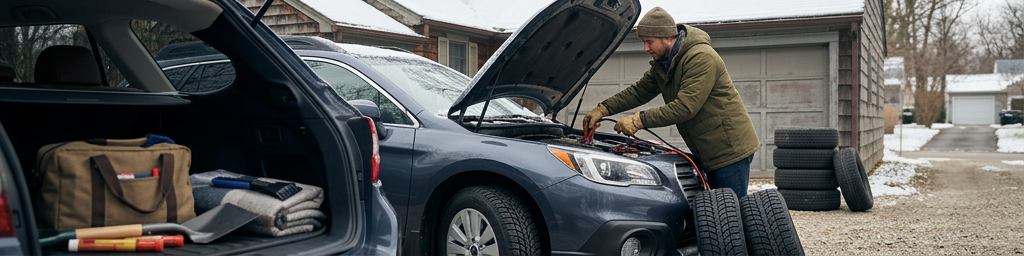
Cold conditions sap battery strength just when the engine is hardest to turn. A unit that seems fine in mild weather can struggle or fail outright on a frosty morning. Having its health tested before the season sets in reveals whether it still has enough cranking power in reserve. If it’s already older or has needed boosts, pre‑emptive replacement is usually cheaper and far less stressful than dealing with a no‑start on a dark, icy driveway. Clean, tight terminals matter almost as much as the battery itself; corrosion or loose clamps waste precious current. Keeping a set of decent jumper cables or a compact booster pack in the boot turns a potential stranding into a short delay instead of a tow.
Fluids that cope with freezing temperatures
Cold makes every fluid thicker and slower. Fresh oil in the right grade helps the engine spin more freely at start‑up and reduces wear. Coolant with the proper antifreeze mix prevents ice forming in the cooling system, which can crack components or cause overheating later. Brake, steering and transmission fluids should sit at their correct levels so each system responds predictably, rather than feeling sluggish or grabby on cold mornings. Windscreen washer liquid deserves its own check: a winter‑ready mix resists freezing in the tank and lines and cuts through salty grime on the glass instead of turning into cloudy ice.
Seeing clearly through frost, fog and grime
Winter keeps attacking your view. Road spray, low sun and misty glass quickly combine into dangerous glare. Good wiper blades that don’t smear or chatter are a small upgrade with a big payoff. Switching to a cold‑rated washer mix and clearing the nozzles helps keep the screen clean on long, dirty commutes. Inside, damp boots and coats load the cabin with moisture, so using the demist setting with air‑conditioning engaged clears fog fastest by drying the air. A solid ice scraper, snow brush, microfibre cloth and a small bottle of de‑icer are tiny tools that save big arguments with frozen glass and locks on rushed mornings.
Tires, grip and staying in control
Tread, pressure and the rubber you trust
Those four palm‑sized contact patches decide how the car behaves on slush, standing water and compacted snow. Adequate tread depth lets the grooves push muck aside so rubber can reach tarmac; once it wears close to the built‑in wear bars, braking and steering performance drop sharply in the wet, never mind on ice. Cold also lowers air pressure, so a tyre that looked fine in autumn can be meaningfully soft after a cold snap. Under‑inflation makes handling vague and lengthens stopping distances, while over‑inflation shrinks the contact patch. A simple gauge and a quick check every few weeks keep things in the safe zone, including the often‑forgotten spare.
Choosing the right tyre for your winter reality
Different patterns and rubber compounds behave very differently once temperatures drop. Standard “one‑set‑does‑everything” tyres can stiffen up in deep cold and lose bite. Dedicated winter designs stay more flexible and use extra cuts and grooves to claw into snow and ice, offering far better braking and traction in many regions. Drivers who mainly face cold, wet motorways may choose differently from those dealing with steep, untreated side roads. The key is to match tyre choice to typical conditions instead of hoping a worn, general‑purpose set will somehow cope with everything from black ice to slush‑filled ruts.
| Driver profile / conditions | Tyre approach that often fits best | Trade‑offs to keep in mind |
|---|---|---|
| Mostly urban, gritted main roads | Fresh all‑season patterns with good wet‑grip ratings | Still limited on sheet ice and unploughed streets |
| Regular snow, hills and back roads | Full winter set on dedicated rims | Seasonal swaps, storage space needed |
| Mild coastal or rainy climates | High‑quality all‑season with strong rain performance | Less benefit on rare deep‑freeze days |
| Occasional mountain trips | All‑season at home, winter set for longer trips | Cost of owning and maintaining two full sets |
Traction aids for the awkward moments
Even with good tyres, you can still get stuck on a glazed driveway, steep lane or unploughed car park. A small shovel, a bag of sand or non‑clumping cat litter, and a pair of lightweight traction mats live happily in the boot and earn their keep the first time the driven wheels just spin. Sprinkling grit under the tyres or giving them something solid to bite into often turns an embarrassing, cold struggle into a quick escape. Pair these tools with smooth driving: gentle throttle, early braking and wider gaps give the tyres half a chance to keep you out of trouble instead of constantly fighting for grip.
Glass, heaters and defrost systems that actually work
Windscreens, chips and demist settings
Minor chips in the glass can spread when cold air outside meets hot air from the vents inside. Repairing damage early is cheaper than replacing an entire screen after a crack shoots across it on a freezing morning. Clean glass mists less and scatters less light, so a proper wash inside and out before winter cuts glare from headlights and low sun. Learning how your car’s ventilation clears fog fastest—usually warm air aimed at the glass with the air‑conditioning on and fresh air selected—turns long, frustrating waits into a short pause before you pull away.
Rear screens, mirrors and cameras
The lines in a heated rear window, and any heated mirror elements, become vital once frost and sleet arrive. Checking they actually warm up before the season means you won’t discover a fault on a dark, wet evening. Modern vehicles often rely on reversing cameras and parking sensors, which get blinded quickly by road spray and salt. Making a habit of gently wiping lenses and sensors at fuel stops or when you clear the lights keeps driver aids reliable, rather than giving false alarms or no warning at all just when visibility is already poor.
Little tools that beat ice and snow
Keeping all the useful winter tools where you can reach them from the cabin—not buried in the boot—makes cold starts much less painful. A sturdy scraper, a brush that can reach across the windscreen, de‑icer for locks and wipers, a microfibre cloth for inside fog, and thin waterproof gloves all earn their place. Avoid the temptation to rely on hot water or just the wipers to clear thick ice; both can damage glass or strain the motor. Taking three calm minutes to do a thorough job often feels quicker than peering through a tiny cleared patch and wrestling with misted side windows for the first part of every journey.
Building a winter kit and smarter driving habits
What to stash in a cold‑season car kit
A winter kit doesn’t have to be dramatic or expensive; it just needs to cover warmth, light, basic tools and simple comfort. Think warm blanket, spare hat and gloves, a torch with fresh batteries or a rechargeable lamp, high‑visibility vest, basic first‑aid supplies, snacks that survive temperature swings, bottled water with room for expansion, a shovel, traction aids, and jump‑start gear. Organise it so the most urgent items are easy to grab without emptying the whole boot at the roadside. The aim isn’t to live from the car, just to wait safely and calmly if help takes longer than expected.
| Situation on a winter trip | Kit items that are often most useful | Why they matter in that moment |
|---|---|---|
| Stuck in slow or stopped traffic | Water, snacks, phone charger, extra layers | Maintain comfort and communication |
| Slide into a shallow snowbank | Shovel, traction mats, high‑visibility vest | Self‑recovery while staying visible to other drivers |
| Electrical issue or flat battery | Torch, jumper kit, blanket | Work safely in the dark and stay warm |
| Waiting for roadside assistance | Blanket, hat, gloves, small lamp, first‑aid basics | Reduce stress and minor discomfort |
Driving style that matches icy roads
Preparation under the bonnet only goes so far if the driving style stays locked in summer mode. Slower speeds, longer gaps and smoother inputs are the real magic. Braking earlier and with gentle pressure lets the tyres maintain grip instead of sliding. Steering smoothly rather than jerking the wheel keeps the car settled, especially through bends and lane changes. Turning off cruise control on marginal surfaces gives you finer control over power, preventing sudden throttle changes mid‑corner or on hidden ice. Treat bridges, shaded sections and exposed hilltops with extra caution; they often freeze first even when nearby tarmac looks merely wet.
Planning ahead so trips feel calmer
Adding five or ten minutes to departure time in colder months takes away the pressure to rush, skip clearing snow, or brake hard to make up lost time. Keeping the fuel tank at least a quarter to half full provides a buffer if routes close or traffic grinds to a halt and you need the heater running. Letting someone know your route and rough arrival time on longer drives gives you a simple safety net if you do get stuck with poor reception. Seen together, these small habits are another layer in your winter strategy: less drama, more control, and journeys that feel manageable even when the weather doesn’t cooperate.
Q&A
-
How does Cold Weather Driving Readiness differ from regular vehicle preparation?
Cold Weather Driving Readiness focuses on low‑temperature impacts on batteries, tires, fluids, and visibility, plus emergency planning. It goes beyond routine checks by anticipating ice, snow, reduced daylight, and longer response times if a breakdown occurs. -
Why is a Battery and Tire Check critical before a cold snap?
Cold temperatures reduce battery cranking power and lower tire pressure, increasing the risk of no‑start situations and poor grip. Checking state of charge, terminals, tread depth, and pressure reduces breakdowns and improves winter traction. -
What should drivers know about Defrost System Awareness for safety?
Drivers should confirm front and rear defrosters, blower, and vents work properly, understand how to direct airflow, and use A/C for dehumidifying. Effective defrosting prevents fogged or iced windows that severely limit visibility in winter. -
How does a Winter Emergency Kit enhance Seasonal Vehicle Safety?
A Winter Emergency Kit with blankets, water, non‑perishable food, flashlight, shovel, traction aids, and phone power backup helps occupants stay warm, visible, and connected if stranded, turning a dangerous breakdown into a manageable delay. -
What are key Low Temperature Maintenance practices for protecting a vehicle?
Use appropriate‑grade engine oil and coolant, keep fuel above half tank, lubricate door seals, monitor washer fluid freeze rating, and routinely clear snow and ice. These steps reduce cold‑start stress, prevent component damage, and improve reliability.