
Ready for the Open Road Starts in the Driveway
The best road journeys start long before the first mile, with a quick look under the hood and around the driveway. From checking rubber on the road and vital liquids under the cap to packing essentials for comfort, a little planning keeps everyone safer and more relaxed.
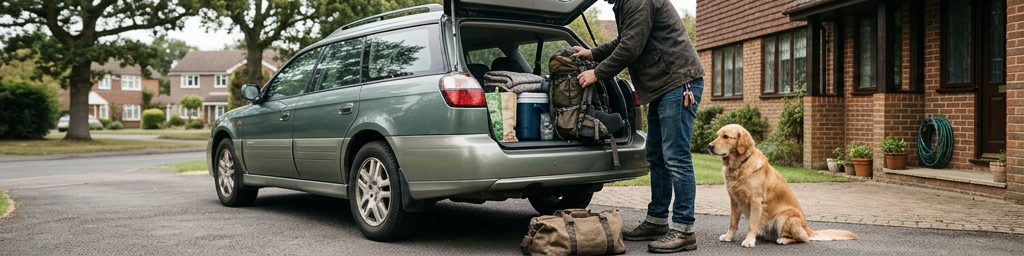
This story is part of Esgamesol's practical reading library across everyday topics.
A Quick Walkaround and Essential Documents
Paperwork that keeps stress low
Before thinking about scenic viewpoints or playlists, it helps to make sure key documents are easy to grab, not buried under coats and snack bags. Keep your driving license in your wallet or a small pouch you always carry, not loose in the door pocket. Store registration and proof of insurance together in a simple sleeve in the glovebox so anyone can find them fast if needed.
If you rely on roadside help through an app or membership, save the number in your phone and write it on a small card in the car. That way, even if your battery dies or signal drops, you still know who to call. A quick glance at any inspection stickers or permits to confirm they’re current is worth doing while the vehicle sits in the driveway, not at a motel parking lot far from home.
The 60‑second walkaround
A slow lap around the car can reveal more than most people expect. Look for a corner sitting lower than the others, fresh drips on the ground, a loose fuel door, or a trunk that does not latch properly. Peek at each wheel for obvious damage and see whether headlamps, indicators, and brake lights look intact.
Check glass and mirrors for cracks or heavy smearing that could catch glare at sunrise or sunset. Run your fingers lightly along the wiper blades; if the rubber feels torn or rigid, replacements before leaving will pay off during sudden showers. This tiny ritual sets a calm, observant mindset before the first kilometre, especially helpful for long family drives.
Tyres, Brakes, Fluids and the Hidden Basics
Rubber on the road
Tyres quietly decide how safely you steer, stop, and cope with wet corners. Use a simple gauge when the wheels are cool and match the readings to the sticker in the door frame, not the sidewall markings. Pressure that’s too low can make the vehicle feel vague and cause extra heat; too high can reduce grip and comfort.
Look closely at the tread. Deep, even grooves are reassuring; shallow or uneven patterns suggest it may be time for new rubber or an alignment check. Scan sidewalls for bulges, cuts, or any object stuck in the surface. Don’t ignore the spare: make sure it has air, is not cracked, and that the jack and wheel tool are present and reachable under luggage.
Stopping power and dashboard clues
Brakes deserve attention before adding passengers, pets, and bags. On a quiet street, press the pedal gently and firmly. It should feel consistent, not spongy, and the car should track straight without pulling to one side. Grinding, sharp squeals, or vibration in the steering wheel are all signs to book a professional check before a long haul.
Inside the cabin, watch the warning lights when you start the engine. They should come on briefly, then go out. Any symbol that stays lit or starts flashing, especially those linked to braking, engine health, or temperature, is worth looking up in the owner’s guide. Sorting these alerts at home is far easier than trying to decode them in a roadside lay‑by.
Fluids, battery and under‑bonnet checks
Under the bonnet, focus on a few key reservoirs. Engine oil should sit between the marks on the dipstick and look reasonably clean rather than thick and gritty. Coolant in the expansion tank needs to be between the “low” and “high” lines when the engine is cool. Washer fluid should be topped so bugs and grime can be cleared without stopping.
Glance at brake and power‑steering fluid levels if visible; very low fluid may hint at worn parts. Look at belts and hoses for cracks, fraying, swelling, or damp patches. Around the battery, check for crusty corrosion on terminals and cables that move if you wiggle them gently. A battery that has been slow to crank the engine lately is a good candidate for testing before a long run.
Comfort, Visibility and Packing the Cabin
Seeing clearly in all conditions
Good visibility is about more than strong headlamps. Ask someone to help you test front and rear lights, including high beams, indicators, hazards and reverse lamps. If you are alone, use reflections from a window or garage door to confirm brake lights work. Being clearly seen by others is as important as seeing the road yourself.
Replace wiper blades that smear, skip or chatter, and clean the inside of the windscreen to remove the hazy film that worsens glare. Test heating, air‑conditioning and demist settings to confirm they can clear foggy glass quickly and keep the cabin comfortable. Clear, dry windows and stable airflow make long stretches far less tiring for the person steering.
Seating, snacks and family‑friendly storage
Inside the cabin, start with posture. Adjust the driver’s seat so knees and elbows are slightly bent and the back is supported. Set mirrors to shrink blind spots and ask any second driver to fine‑tune their position before departure. For children, double‑check that seats and boosters are installed correctly, belts are flat and snug, and nothing heavy is stored loose nearby.
Keep frequently used items within reach: water bottles, simple snacks, tissues, wipes, sunglasses and charging cables. Use small organisers, door pockets or a soft caddy between seats to separate trash, tech, and cleaning items. Heavy luggage should ride low in the boot, not stacked high where it can shift forward under sudden braking. A tidy cabin usually means fewer distractions and arguments.
Choosing what lives where
Smart packing makes every stop easier. Items needed only at your destination can sit at the bottom of the boot. Things you may want mid‑journey—jackets, an overnight bag, small toys, or pet gear—belong near the top or beside the emergency kit. A small cooler on the floor behind the front seats keeps drinks and fresh snacks handy without blocking vents.
For longer runs with kids, rotate a few compact activities rather than dumping everything at once. Download audio stories or playlists before leaving in case signal drops. Set simple ground rules about screen brightness and volume so the driver can focus. A small bin liner clipped to a door pocket keeps wrappers and cups from taking over footwells.
Comfort‑focused vs safety‑focused packing
| Packing priority type | Typical focus in the cabin | Best suited for… | Potential drawback if used alone |
|---|---|---|---|
| Comfort‑focused | Snacks, entertainment, pillows, blankets | Families, long leisure drives | May forget tools or safety items |
| Safety‑focused | Tools, first‑aid, warning gear, manuals | Remote routes, solo drivers, night runs | Cabin can feel cluttered or less cosy |
| Balanced approach | Mix of comfort and safety in clear zones | Most everyday travellers | Requires a little more planning upfront |
A balanced layout—safety gear in fixed spots, comfort items where passengers can reach them—keeps both convenience and protection in mind.
Routes, Breaks and Simple Emergency Readiness
Planning the drive, not just the destination
Typing an address into a navigation app is only the start. Before leaving, zoom out on the map to learn the main roads, likely fuel stops and larger towns along the way. Save offline maps for areas with patchy coverage, and keep a simple printed map or written directions in the glovebox as backup.
Think realistically about how long you want to sit behind the wheel at a time. Plan brief pauses every couple of hours to stretch, use restrooms and swap drivers if possible. These breaks sharpen concentration, reduce aches and help kids reset their mood. Arriving slightly later but fresher is almost always the better trade‑off.
Building a basic emergency kit
Emergency gear does not need to fill half the boot. A compact kit can include a torch with fresh batteries, reflective vest, warning triangles or flares, jumper cables or a small jump pack, a tyre inflator or repair sealant, and a simple first‑aid pouch. Add spare water, a few long‑life snacks and a warm layer or blanket for each person.
Equally important is knowing where this gear sits and how to use it. Spend a few minutes learning the jack points under the car, how to attach jumper leads safely, and how to place warning triangles behind a stopped vehicle. Even if you still call roadside help, these basics make the wait safer and more comfortable.
Matching gear to driver and journey
| Driver / trip style | Helpful extra items in the car | Why they help on longer journeys |
|---|---|---|
| Solo driver | Paper contact list, spare keys, compact power bank | Adds backup if phone or keys are lost or fail |
| Family with children | Extra wipes, spare clothes, small games, sunshades | Reduces stress from spills, boredom, hot cabins |
| Rural / scenic explorer | Paper maps, extra water, sturdy shoes, torch | Supports detours, walks, and low‑service areas |
Choosing extras that match who is travelling and where you are going keeps the kit lean yet useful.
Bringing It All Together in the Driveway
A calm start at home shapes the entire journey. A brief walkaround, checks on tyres, fluids, brakes and lights, and a glance at the dashboard build trust in the vehicle. Thoughtful seat adjustments, smart packing and clear sightlines make hours on the road easier on bodies and minds.
Layered on top, a simple route plan, realistic rest breaks and a small stash of emergency gear turn inevitable surprises into manageable pauses rather than crises. None of this requires advanced mechanical skills or expensive gadgets—just a little time before departure. With the practical details handled in the driveway, it becomes much easier to enjoy the views, conversations and quiet moments from the first mile to the last stop.
Q&A
-
How far in advance should I start my long-distance driving preparation?
Ideally begin 1–2 weeks before departure: schedule a preventive car check, plan routes and rest stops, book lodging if needed, and purchase or test emergency supplies so there’s time to fix any issues. -
What specific tire and fluid inspections are critical before a long trip?
Check tire pressure, tread depth, sidewall damage and spare tire condition; for fluids, inspect engine oil, coolant, brake, transmission (if applicable), power steering, and windshield washer levels for leaks or discoloration. -
How can travel safety planning reduce highway risks for my family?
Thoughtful planning helps avoid fatigue, dangerous weather, and risky areas by setting realistic daily distances, scheduling breaks, choosing safer routes, sharing your itinerary, and setting rules for seat belts and child restraints. -
What emergency supply readiness is recommended for long highway routes?
Pack a well-stocked kit with first-aid supplies, basic tools, jumper cables, reflective triangles, flashlight, power bank, water, snacks, blankets, and copies of insurance and roadside assistance contacts in a waterproof folder. -
How can I make family driving more comfortable on long journeys?
Adjust seating and climate individually, plan kid-friendly stops, use neck pillows and sunshades, manage in-car entertainment with headphones, and keep easy-to-reach snacks and trash bags to maintain comfort and reduce stress.