
Rain, Tires, and Visibility Working Together for Safer Wet‑Weather Drives
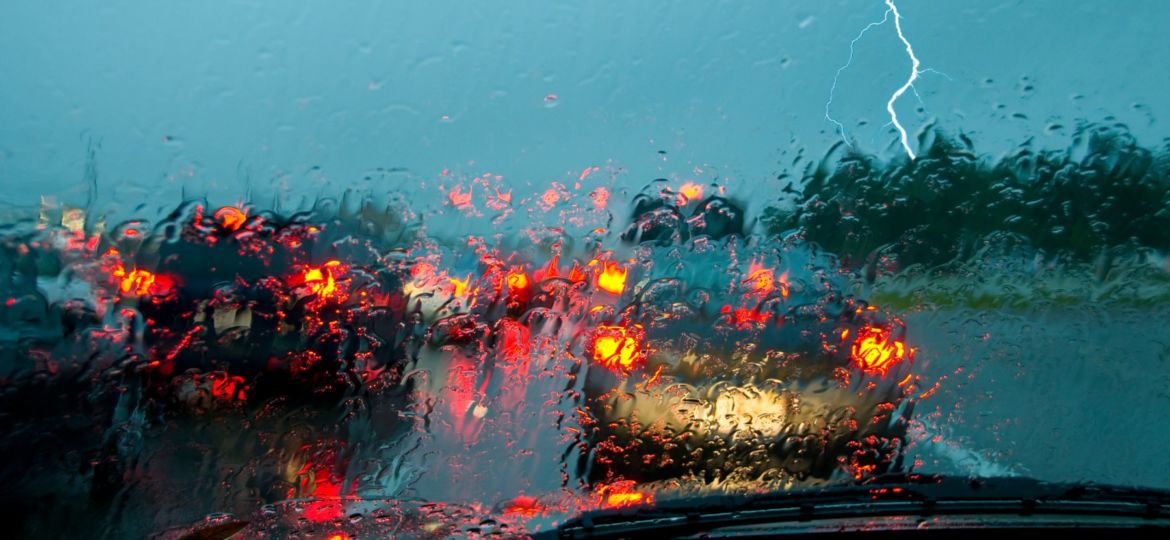
When skies open and roads darken with water, everyday driving changes in subtle but important ways. Pavement that once felt predictable can suddenly lengthen stopping spaces, mute steering responses, and blur sightlines. Understanding how moisture reshapes traction, speed choices, and forward vision helps keep routine journeys uneventful.
This story is part of Esgamesol's practical reading library across everyday topics.
How Rain Reshapes the Road Surface
From Dry Grip to Slippery Film
Once water coats the pavement, the rough texture that tires normally bite into becomes smoothed over by a thin liquid layer. That film behaves like a lubricant between rubber and asphalt, cutting the friction that braking and steering rely on. The effect grows stronger as water deepens and speed rises. Light drizzle may only make the road feel slightly slick, but standing water in ruts, dips, or near drains can push tires up onto the surface of the water instead of letting them dig down to the solid ground. This floating sensation means steering feels loose, braking takes far longer, and even gentle curves can demand careful control to stay on line.
Early Minutes and Mixed-Grip Patches
The first minutes after rain starts are often the trickiest. Dust, oil, and rubber residue that built up during dry spells loosen and mix with fresh water into a greasy layer. Intersections, merging lanes, and busy routes collect more of this grime, so they can feel unexpectedly slick even at modest speeds. As rain continues, most of that film washes away, yet grip still varies from lane to lane. One track may drain well, while the next hides shallow puddles that tug at the steering. Painted markings, metal covers, and leaf-covered patches add more “surprise zones” where traction suddenly falls away, rewarding cautious inputs and extra space.
Managing Speed, Space, and Smooth Control
Braking Distance and Following Gaps
On wet pavement, the distance needed to come to a stop grows quickly. The same pedal pressure that felt safe on a dry day now yields a slower, softer response as tires struggle for purchase. Building in a larger cushion behind the vehicle ahead gives room to brake gradually instead of slamming the pedal at the last second. Thinking in time rather than car lengths helps: leaving several heartbeats between the lead vehicle passing a sign and your own arrival creates a buffer for both longer stops and late surprises. In heavy showers or poor light, stretching that time gap even more turns stressful traffic flows into something more manageable.
Steering, Lane Changes, and Cruise Control
Wet conditions reward smooth, unhurried movements. Sharp steering inputs or sudden lane changes can overload the limited grip available, especially when wheels cross shiny paint or shallow standing water. Signaling early, checking mirrors carefully, and easing into a new lane reduces the chance of an abrupt slide. Braking while cornering needs particular care: slowing in a straight line before entering a bend leaves more traction for turning. In deeper water or active showers, cruise control is best kept off. A system that tries to maintain speed may add throttle at the wrong moment, just when human instincts would gently ease off to let the tires regain secure contact.
Common Wet-Weather Choices Compared
| Driving choice | Lower-risk option in the wet | Higher-risk behavior in the wet |
|---|---|---|
| Approach to intersections | Slow early, cover brake, roll in gently | Late braking, quick stabs at the pedal |
| Handling puddles | Ease off throttle, steer straight through | Accelerate or steer sharply mid‑puddle |
| Lane selection | Use well-drained, less-crowded lanes | Weave frequently or hug flooded edges |
Choosing the calmer options above stacks the odds in favor of stable, predictable responses when the surface is slick.
Tires: Your First Line of Defense on Wet Roads
Tread Depth and Water Clearing
Tire tread is shaped with grooves and channels that act like miniature pumps, scooping water away from the contact patch so rubber can meet road. When those grooves are deep and crisp, they can handle a surprising amount of surface water before grip falls off. As they wear down, the pattern becomes shallow, leaving less space for water to escape. The result shows up as earlier sliding in corners, mushy steering, and longer stops, even if everything still feels acceptable on dry pavement. Regular visual checks for shallow or uneven patterns, shiny smooth sections, or visible wear bars help catch problems before the next storm reveals them the hard way.
Pressure, Balance, and Seasonal Readiness
Pressure shapes how the tread touches the road. Underinflated tires spread out and flex more, trapping extra water and overheating; overinflated ones ride on a smaller patch, making them skittish on slick spots. Using the recommended range for the vehicle and checking when tires are cool keeps the contact area close to what designers intended. Over a full rainy season, rotation helps wear stay balanced front to rear, so all four corners behave similarly when surfaces get slick. Drivers who notice vibration, persistent pulling to one side, or a vague “floating” feel in rain should treat those sensations as early prompts to check alignment, suspension, and tire condition.
Matching Tire Condition to Your Driving
| Tire situation | Safer driving response in wet weather |
|---|---|
| Older or visibly worn tread | Reduce speed, add extra following space, avoid deep water |
| Fresh but rarely checked pressure | Build a habit of monthly cold-pressure checks |
| Mixed brands or ages front and rear | Expect uneven responses; steer and brake extra smoothly |
| Regular long, rainy commutes | Prioritize rain-capable patterns and timely replacement |
Tuning driving style to the state of the tires turns them from a weak point into a strong partner whenever the forecast looks unsettled.
Seeing and Being Seen in Showers
Wipers, Glass, and Interior Fog
Raindrops on glass bend and scatter light, so clear wiping is essential. Fresh blades glide, leaving a transparent sweep; tired ones chatter, skip, or draw smeared arcs that eyes must constantly look past. Replacing them before heavy-rain seasons avoids discovering poor performance at the worst moment. Outside, road film and insect residue can quickly turn drizzle into a milky haze, so regular cleaning of the windshield and side glass helps. Inside, a thin layer of residue or dust encourages fogging. Using cabin controls to send dry air to the windshield, cracking a window slightly if safe, and avoiding recirculation when humidity is high all reduce sudden misting that can hide lane lines in seconds.
Headlights, Brake Lights, and Road Spray
Lights play two jobs in the wet: they illuminate your path and sketch your vehicle’s outline for others. Low beams usually work better than high beams in rain, because higher intensity can reflect off droplets and wet surfaces, creating glare rather than clarity. Turning on headlights during steady showers, even in daytime, makes it easier for others to pick out your vehicle through spray and mirrors. Clean lenses matter too; a thin film of grime can soften and scatter the beam. Heavier vehicles throw bigger plumes of water, so leaving extra room behind them not only offers more stopping space but also lifts you out of the densest spray, where wipers and washer fluid must work hardest.
Preparing for a Full Season of Wet Drives
Pre-Storm Checks and Simple Routines
Calm, short routines before rainy periods can transform how stress-free wet journeys feel. Glancing over tread depth, confirming tire pressure, testing wiper sweep, topping washer fluid, and briefly checking all exterior lights build a foundation of mechanical readiness. Keeping a clean cloth for interior glass, along with an extra layer of clothing or a compact umbrella, makes it easier to manage fogged windows and damp conditions without rushing. Drivers who often face early-morning commutes or late-night returns gain even more from these habits, because darkness amplifies every smear, glare, and reflection on wet pavement.
Bringing Grip, Space, and Vision Together
Safe movement on slick roads rests on three linked elements: how well tires can bite through water, how much room exists to slow or steer smoothly, and how clearly drivers can see and be seen. Favoring slightly lower speeds, longer following distances, and relaxed control inputs gives those three elements room to support one another instead of working at cross‑purposes. Each small choice—backing off the throttle near standing water, waiting for a clearer gap before changing lanes, turning on headlights early—adds a thin layer of safety. Stacked together over a full rainy season, those layers turn gloomy forecasts into manageable, routine trips rather than white‑knuckle surprises.
Q&A
-
What is “Tire Grip Awareness” and how can I quickly check my tires at home?
Tire grip awareness means knowing how well your tires can hold the road. At home, visually inspect tread depth, look for cracks or bulges, and feel for uneven wear that could signal alignment or pressure issues. -
How does Braking Distance Caution change the way I should follow other cars?
Braking Distance Caution means always assuming you’ll need more road to stop than you think. Increase following distance in rain, at night, or with worn tires, and ease off the throttle sooner instead of braking late. -
What simple Windshield Visibility Care habits improve safety in bad weather?
Regularly replace wiper blades, keep washer fluid topped with a winter-ready mix, and clean the inside of the glass to reduce fog and glare; also repair small chips early to avoid cracks that distort vision. -
How can I practice Wet Road Preparedness before the next storm hits?
Check tire tread and pressures, test wipers and lights, use the defogger correctly, and plan routes avoiding flood-prone areas; mentally rehearse slower speeds, gentle steering, and longer stopping distances. -
What are practical Hydroplaning Prevention Tips within broader Seasonal Driving Safety?
Slow down in standing water, avoid sudden steering or braking, and drive in existing tire tracks; combine this with seasonal checks like rotating tires, checking brakes, and adjusting driving style for temperature and daylight changes.