
From Walk-Around to Test Drive: The Used Car Checklist That Connects Every Clue
A pre-owned vehicle can look appealing at first glance yet hide clues about its past in its panels, cabin, engine area and how it behaves on the road. Learning to connect these signs helps everyday buyers judge value, plan repairs and avoid expensive long-term surprises.
This story is part of Esgamesol's practical reading library across everyday topics.
Seeing the Car as One Connected Story
Why “assume nothing, check everything” works
Treating a used car like a story made of clues makes decisions far easier. Each mark on the bodywork, each worn button and every noise on the road is a sentence in that story. Instead of asking “Is this car good or bad?” in one leap, break the process into stages: outside walk‑around, cabin check, engine bay and underbody glance, then a focused drive.
Assume nothing and verify everything. If a seller claims “only gentle driving,” see whether tire wear, pedal condition and steering wheel shine actually match. If an advert mentions “no accidents,” panel gaps and paint texture should support that statement. The aim is not to become a mechanic overnight but to notice patterns. When exterior, interior and driving feel all point in the same direction, confidence grows; when they clash, that mismatch is often the biggest warning.
How condition links directly to price and risk
Condition is part of the price just as much as mileage or model year. A bargain with hidden rust, leaks and worn suspension can quickly cost more than a slightly higher‑priced car that has been carefully maintained. A simple checklist helps keep attention on big‑ticket issues instead of shiny extras or clever sales talk.
Think in terms of trade‑offs: cosmetic flaws can be fine if mechanical health is strong, and major structural or engine problems are rarely worth chasing perfect paint. Slowing down long enough to connect all the clues replaces guesswork with informed choice, which matters even more when repair labour and parts are expensive in many English‑speaking markets.
Outside Checks: Panels, Glass, Tires and Rust
Body lines, paint clues and glass condition
Start a slow lap around the vehicle, a few steps back, looking along each side. Panel gaps where doors, bonnet and tailgate meet surrounding metal should appear broadly even. A bonnet sitting high on one corner or a door gap that narrows noticeably toward one end can hint at past impacts or rushed body repairs. That alone doesn’t end the deal, but it should trigger questions.
Paint tells another chapter. Under natural light, look for panels whose colour tone or metallic “sparkle” doesn’t quite match neighbours. Wavy reflections, obvious overspray on rubber seals or sharp tape lines near edges often mean filler and repainting. A professionally repaired bumper is common; multiple mismatched panels suggest bigger bodywork in the past. Check windscreen and windows for long cracks, star chips, or cloudiness around edges, plus headlamps for yellowing or moisture inside.
Wheels, tires and a quick peek underneath
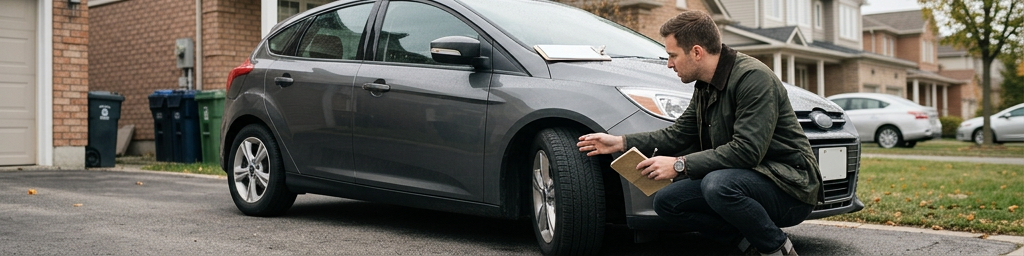
Tires quietly reveal both driving style and mechanical condition. All four should usually match in size and type, with similar tread depth. Very uneven wear on one edge, or fronts worn out while rears still look fresh, can point to alignment problems, worn suspension bushings or aggressive driving. Cracked or bulged sidewalls mean replacements soon, which affects your true cost.
Crouch to look under the sills and rear bumper. Light surface rust on exhaust parts is normal, but heavy flaking metal on structural areas, fuel lines or suspension arms is more serious. Damp, oily patches underneath often indicate active leaks. Fresh black underseal sprayed over older rust can hide trouble, so treat unnaturally “new” underbody patches with curiosity rather than comfort.
When exterior clues change your decision
Exterior wear rarely needs to be perfect, but it should make sense for the age, mileage and asking price. A few car‑park dings on an older runabout are acceptable bargaining points; bubbling paint around arches, corroded sills and cracked glass become safety and cost issues.
A practical way to weigh things is to separate cosmetic and structural concerns:
| Aspect | Usually Fine if Priced Right | Often a Red Flag for Long-Term Ownership |
|---|---|---|
| Paint & panels | Small scratches, minor bumper scuffs | Large rust bubbles, badly misaligned panels |
| Glass & lights | Tiny chips, mild headlamp haze | Long cracks, moisture inside lamps, loose units |
| Underbody | Light surface rust on exhaust | Flaking structural metal, fresh leaks, patched holes |
Using this kind of mental grid helps prevent overreacting to small marks while still taking serious damage seriously.
Inside the Cabin: Wear, Smell and Everyday Use
Seats, touch points and honest mileage
Once inside, pause and take in seats, door cards and carpets. Deep cracks in leather, collapsed cushions or heavy stains everywhere usually mean tough daily use. Compare this with the displayed mileage: a “low‑mile” car with a heavily worn driver’s seat, smooth pedals and a shiny, thin steering wheel rim may not match its claimed past.
Check every seat adjustment, headrest and folding mechanism. Sticky runners or broken levers add cost and annoyance. Light scuffs and gentle creases fit normal ageing; ripped bolsters, torn stitching and mismatched replacement seats hint at a harder life. Interior condition that feels slightly better than expected for age is often a subtle green flag.
Smell, moisture and hidden damage
Smell is a powerful clue. Musty or mouldy odours can point toward leaking door seals, blocked sunroof drains or old flooding. Strong perfume or multiple hanging air fresheners may be trying to cover something. Open windows, switch off scent devices and wait; if damp, sour or smoky smells remain, walk the cabin carefully.
Lift mats to touch the carpet. Look for damp patches, water lines, rust around seat mounts and inside the boot floor, especially near a spare wheel well. Moisture here can damage electronics hidden under trim and encourage corrosion. Light drink stains are normal; standing water marks or rust flakes inside the cabin are not.
Controls, electrics and convenience features
Turn on the ignition without starting and test as many functions as possible: power windows, mirrors, central locking, interior lights and wipers. Try climate controls at full hot and full cold, checking airflow from all vents. If available, test heated seats, steering wheel warmth, rear demister and any sunroof or panoramic shade for smooth travel.
Infotainment systems deserve a quick workout too: radio reception, Bluetooth pairing, basic navigation response and speaker sound without crackles. Then watch the instrument cluster carefully. Warning lights should appear for a self‑check, then go out once the engine runs. Lights that never appear or that stay on steadily can both signal trouble. Here, the cabin is telling you whether living with this car will feel easy or full of little frustrations.
Under the Bonnet and Beneath: Simple Mechanical Clues
First glance: cleanliness, layout and obvious repairs
With the engine cool and off, open the bonnet and just look. A moderate layer of dust is normal. Thick, wet grime, heavy oil coating or obvious puddles around seals and joints usually means leaks. Conversely, an unusually spotless bay on an older vehicle might have been steam‑cleaned to hide stains, so look in corners and down low where cleanup is harder.
Notice whether everything looks factory: regular clips holding hoses, wiring looms neatly routed, covers in place. Lots of loose cables, mismatched bolts, makeshift brackets or tape‑wrapped connections suggest improvised work. Not every home repair is bad, but they increase uncertainty about what was done and how long it might last.
Hoses, belts, fluids and what they suggest
Rubber hoses you can safely touch should feel firm yet flexible, not rock‑hard, spongy or cracked. Bulges or deep splits mean replacement soon. Visible drive belts should be free of missing chunks and deep cracks. These items are considered wear parts but, if many are clearly overdue, that often mirrors skipped services elsewhere.
Where transparent reservoirs exist, check that coolant and brake fluid sit between marks and look reasonably clean, not like sludge. If allowed, pulling the oil dipstick lets you check roughly where the level sits and whether the oil appears thick and tarry or oddly milky. Very dark oil alone is common; gooey build‑up or strange colouring is more worrying.
Underbody drips, suspension and exhaust condition
From a safe distance, glance beneath the front and rear. Active drips or fresh stains on the ground reveal leaks better than any sales pitch. Look at visible suspension bits and exhaust if possible. Rusty exhaust heat shields or light surface corrosion are common; holes, loose sections or obvious wire “repairs” are not ideal.
Rubber suspension bushings visible near wheels should not be ripped apart, and shock absorbers should not be coated in fresh oil. Combine these sights with the exterior tire wear you noticed earlier: uneven tread plus oily shocks plus clunks during your later test drive usually equals upcoming suspension work.
Q&A
-
How does an Exterior Condition Review help reveal hidden accident damage on a secondhand car?
A systematic walk-around, checking panel gaps, paint overspray, waviness in reflections, and uneven tire wear can expose poor repairs or frame issues that aren’t listed in the car’s history or visible at first glance. -
What Engine Bay Basics should a non-mechanic know when doing a Secondhand Car Evaluation?
Focus on fluid levels and colors, obvious leaks, cracked belts or hoses, battery corrosion, and burnt smells; you don’t need tools, just a flashlight and patience to spot most red flags before paying for an inspection. -
Why is Interior Wear Assessment important beyond cosmetic concerns when buying used?
Uneven seat sagging, worn pedals, shiny steering wheels, and loose trim can indicate higher real mileage, poor maintenance habits, or previous heavy commercial use, all of which affect long-term comfort and reliability. -
Which Test Drive Observations matter most for judging mechanical health and value?
Pay attention to cold-start behavior, transmission smoothness, braking feel, steering response, suspension noises over bumps, and straight-line tracking, then compare your impressions with reviews of how that model should normally drive. -
What Practical Vehicle Buying Tips can reduce risk when finalizing a secondhand purchase?
Combine your Exterior Condition Review, Engine Bay Basics check, Interior Wear Assessment, and Test Drive Observations with a pre-purchase inspection, VIN history report, and written price agreement that includes any promised repairs.