
Everyday Paint Protection: Simple Habits That Keep Your Car Looking Fresh
Road grime, harsh sunlight, rain, and stray shopping carts quietly work on a car’s surface every day, dulling color and shine long before mechanical parts wear out. With a few simple, repeatable habits, it’s possible to slow that fade and keep your vehicle looking well cared‑for.
This story is part of Esgamesol's practical reading library across everyday topics.
Gentle Cleaning Habits That Don’t Create New Damage
Washing with tools that won’t scratch
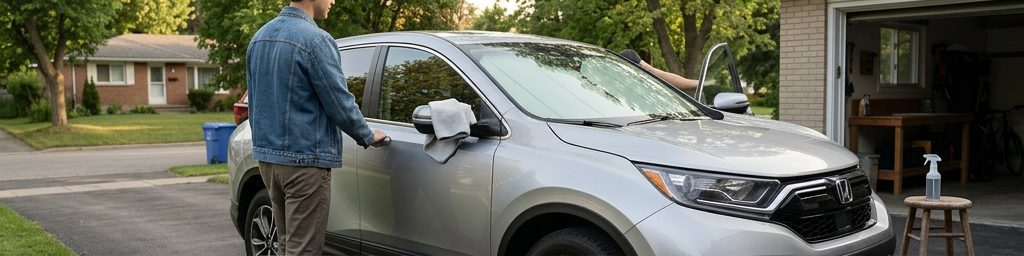
Keeping the finish looking fresh starts with how it’s washed. The goal is simple: lift dirt away and rinse it off without grinding it into the clear coat. A soft wash mitt or sponge made for vehicles, paired with a mild, paint‑safe shampoo, does that far better than old bath towels or kitchen detergents. Harsh cleaners can strip existing protection and dry out rubber trim, while rough fabrics trap sand and behave like fine sandpaper.
Rinsing first is crucial. Spraying the body thoroughly from top to bottom removes loose grit before your mitt ever touches the surface. Then, work from the roof downwards, rinsing the mitt often in clean water so it doesn’t turn into a dirty pad. Using separate cloths for wheels and lower panels helps keep heavy grime away from the most visible areas. Afterward, a clean, plush microfiber towel used with light pressure prevents water spots and new swirls. Letting the car air‑dry may be convenient, but it often bakes mineral marks into the clear coat.
Why a simple routine beats occasional deep cleans
Many owners wait until the vehicle looks obviously dirty before washing, then scrub aggressively to “catch up.” That pattern is hard on paint. Bird droppings, bug remains, tree sap, and dusty film all become harder to remove the longer they sit, especially under strong sun. Then heavy scrubbing or harsh chemicals feel necessary. A lighter, more frequent routine avoids this problem.
A basic rhythm—such as a careful wash every week or two in normal use, and more often after long highway drives or dirty weather—keeps contaminants soft and easy to rinse away. Quick maintenance sprays after washing can add slickness so grime sticks less the next time. The finish ends up needing fewer “rescue missions” with polishes or abrasive cleaners, which means the clear coat stays thicker and healthier over the long term.
| Routine type | Typical effort level | Impact on finish over time | Best for drivers who… |
|---|---|---|---|
| Rare, aggressive scrubs | High on wash day | Faster swirl build‑up | Don’t mind correction later |
| Regular, gentle washes | Low, spread out | Slower visible wear | Prefer steady, low‑stress care |
| Frequent touch‑free rinses | Very low | Good for heavy grime areas | Drive in messy conditions daily |
Keeping things simple but consistent is usually more effective—and far easier to maintain—than chasing perfection a few times a year.
Light, Weather, and Tiny Impacts You Barely Notice
How sunlight gradually cooks the finish
Long before paint starts peeling, strong sun quietly eats away at the clear coat. That upper layer is what gives depth and shine, and it also absorbs ultraviolet radiation. Over many hot days, especially on dark vehicles, the surface heats up, oxidizes, and slowly loses clarity. Horizontal panels such as the hood and roof suffer most because they catch direct rays for longer.
Parking choices help more than most people expect. Picking a covered spot at home or work, or at least choosing the shadier side of a lot, spreads exposure across the vehicle and slows the chalky, faded look. A well‑fitting, soft‑lined cover can also shield from rays during long outdoor stays, as long as it’s placed on a reasonably clean surface and secured so it doesn’t flap and scratch.
Rain, grime, and those stubborn water rings
Rain looks like a free car wash, but it often leaves a film behind. Moisture can carry pollutants and tiny particles that remain when the water evaporates, forming faint rings or spots that gradually etch the clear coat. On a dirty car, water traps existing dust and road film against the surface, giving them more time to stain.
Rinsing off heavy deposits after storms, then doing a careful wash when practical, cuts down on that buildup. Areas that stay wet longer—below mirrors, around badges, rear bumpers—deserve extra attention because streaks tend to form there. A slick protective layer makes it harder for this residue to bond, so stains are less likely to become permanent.
Everyday contact: from car parks to careless wiping
Many fine marks don’t come from the road at all. Tight parking spaces where doors tap each other, handbags brushed along panels, ringed fingers around handles, and quick dust wipes with a dry cloth all leave tiny scars. From a distance the car looks fine; in bright sun, swirls suddenly appear.
A few habits reduce this. Giving yourself a little more room when parking, opening doors gently, and avoiding resting bags or tools against the body already helps. When dust collects, using a lubricated spray with a soft cloth instead of dry wiping keeps those particles from acting like grit. These small changes cost nothing and quietly preserve clarity.
Extra Shielding: Waxes, Modern Coatings, and Clear Films
Comparing common protection options
Different products all aim to stand between paint and the outside world, but they suit different owners and driving patterns.
| Protection approach | Typical durability window | Main strengths | Good fit for owners who… |
|---|---|---|---|
| Traditional wax | Short to moderate | Warm gloss, easy to apply | Enjoy occasional driveway care |
| Synthetic sealant | Moderate | Longer‑lasting barrier, simple upkeep | Want set‑and‑forget seasonal protection |
| Ceramic‑style layer | Longer | Strong resistance, very slick surface | Face harsher climates or busy schedules |
| Clear protective film | Varies by area covered | Guards against chips and scuffs | Drive often on fast, debris‑prone roads |
None of these make a vehicle invincible; they simply take the hit first so the original finish doesn’t have to.
What waxes and sealants really do day to day
Waxes and modern sealants form thin, sacrificial layers that boost shine and repel water. When rain or wash water beads and rolls away, it carries loose grime with it, so less dirt clings between washes. These layers also absorb some ultraviolet and chemical exposure instead of letting everything bite directly into the clear coat.
Applied after a thorough wash and dry, they can be spread with a soft applicator and removed with a microfiber towel. Reapplying a few times a year—more often in harsh conditions—keeps the surface slick and easier to clean. Because these products wear off rather than lock in permanently, minor mistakes are easy to correct, which makes them friendly for casual weekend care.
When tougher coatings or films make sense
Ceramic‑style coatings and clear protective films suit drivers who want stronger defense or see lots of highway miles. A properly installed coating bonds to the surface and creates a hard, hydrophobic shell that shrugs off grime and resists staining better than wax alone. It still needs gentle washing, but maintenance usually becomes lighter because dirt doesn’t cling as firmly.
Transparent films focus more on physical impact. Placed on front bumpers, bonnet edges, mirror caps, and door edges, they absorb chips from stones, supermarket bumps, and tight garage mishaps. Over time, film can be replaced without touching the paint beneath. Basic care—no harsh chemicals, no picking at edges—helps it stay clear and secure.
Matching Care to Seasons and Everyday Use
Adjusting habits as weather shifts
Climate has a big say in how quickly a finish ages. During hot, bright stretches, it helps to wash in the shade, avoid working on hot panels, and refresh protective layers before peak intensity. In wetter seasons, rinsing away mud and road film more often and drying carefully keeps spots from etching.
In cold regions where roads are treated, stubborn residues collect on lower panels and in wheel arches. Even a quick rinse at a self‑serve bay to knock off salt and slush makes a difference, especially when followed later by a full wash. In dusty areas, pre‑rinsing before any contact wash prevents those fine particles from grinding in.
Parking choices that quietly pay off
Every time the vehicle is parked, there’s a small chance to help or harm the finish. Covered spots reduce light and weather impact; open but shaded areas keep surface temperatures lower. Parking directly under trees can trade sun relief for sap, falling debris, and droppings, so it’s worth weighing the local risks.
At home, keeping walkways and storage items away from panels cuts down on accidental scuffs. In crowded public lots, choosing a slightly more distant space with fewer neighbours often means fewer door dings and bag brushes over time. Those choices rarely add more than a minute to a journey, yet they noticeably shape how the bodywork looks after years of use.
Building a Simple, Sustainable Habit Pattern
A realistic low‑effort plan
Paint care doesn’t need to feel like a hobby to work well. A straightforward plan might include: a careful wash every week or two; a quick check for fresh droppings or sap whenever you walk past; a spray‑on booster every few washes; and a more thorough clean before and after the toughest season in your area.
Keeping a small kit—soft cloths and a gentle cleaner—in the boot or garage means problem spots can be handled as soon as they’re seen. Touching up a stone chip early, or wiping away a new mark before it bakes in, avoids much bigger correction jobs down the line.
Letting small habits do the heavy lifting
Over the life of a vehicle, the biggest differences usually come from small, repeatable actions, not from one expensive treatment. Gentle washing tools instead of harsh brushes, better parking when you have the option, protection that fits your climate, and quick responses to obvious contaminants all push the finish in the right direction.
The result is not a showroom ornament, but a daily companion that still looks sharp years on. Colour stays closer to original, panels reflect cleanly, and washing remains easy rather than a battle with baked‑on grime. By turning a handful of smart choices into a routine, the exterior ages slowly and gracefully instead of being prematurely worn down by neglect and avoidable abuse.
Q&A
-
How often should I perform an exterior wash routine to keep my car looking its best?
For daily-driven cars, a full exterior wash routine every 1–2 weeks is ideal. This prevents bonded contaminants, reduces clear coat degradation, and keeps later detailing steps like polishing and waxing more effective and less labor-intensive. -
What are effective ways to prevent sun damage to my vehicle’s finish?
Use a high-quality UV-protectant wax or sealant every 2–3 months, park in shade or covered areas, and consider a breathable car cover. These steps slow paint oxidation, fading, and clear coat failure caused by prolonged UV exposure. -
How can scratch awareness change my everyday auto appearance habits?
Scratch awareness encourages using two-bucket washes, microfiber mitts, and gentle drying towels, while avoiding automatic brushes and dirty sponges. These small habit changes dramatically reduce swirl marks and preserve a deep, glossy finish longer. -
What seasonal car care adjustments are most important for protecting the exterior?
In winter, focus on frequent rinses to remove road salt and apply durable sealants; in summer, prioritize UV protection, bug and tar removal, and more frequent washes. Each season demands tailored routines to shield the finish from specific threats. -
How does regular vehicle finish maintenance support long-term appearance and resale value?
Consistent decontamination, polishing, and protection maintain clear coat integrity, prevent early paint failure, and keep colors vibrant. A well-documented maintenance history and visibly cleaner exterior often translate into higher buyer confidence and resale prices.