
Everyday Driving Habits That Quietly Protect Your Automatic Transmission
Every time the lever drops into Drive, a complex hydraulic system, clutches, and gears go to work under the floorpan. How you treat them day after day quietly shapes shift quality, repair bills, and how many years your vehicle can handle commutes, traffic, hills, and heat.
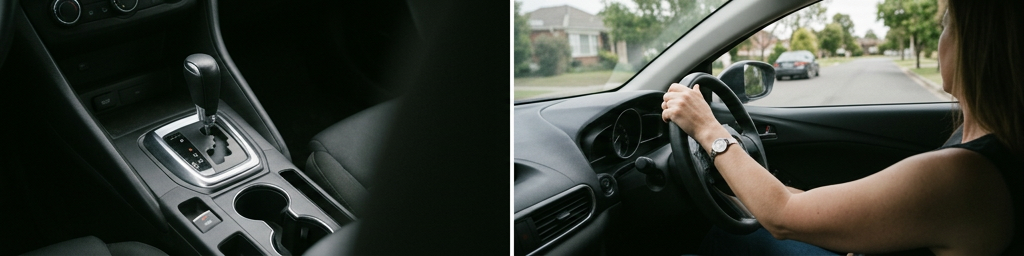
This story is part of Esgamesol's practical reading library across everyday topics.
How an Automatic Really Lives and Wears
What Happens Each Time the Gear Is Engaged
Inside the casing, multiple clutch packs, a torque converter, and valve passages react to every tap of your right foot. Fluid is pushed through tiny channels, clutches clamp and release, and gears mesh to turn engine power into motion. None of this is visible from the driver’s seat, so it’s easy to forget how busy it all is.
Each strong launch, sudden stop, or confused throttle input shows up as extra heat and friction inside. Over thousands of cycles, those little spikes in temperature and pressure start to harden seals, glaze clutch surfaces, and load bearings. The car may still feel fine, but wear is quietly gathering in the background.
Treating the transmission as a living system rather than a sealed box changes how everyday habits look. Calm inputs, clear gear selections, and realistic loads give the fluid and hardware a much easier life. Instead of running at the edge of their comfort zone, parts work in a range where they can keep doing their job for many years.
Why Fluid Condition Matters So Much
Fluid is the messenger, cushion, and coolant of the whole assembly. It carries pressure signals to valves, forms a protective film between moving parts, and pulls heat away from clutches and bearings. When it’s fresh and clean, shifts feel predictable, temperatures stay under control, and internal surfaces don’t grind on each other.
As fluid ages, heat breaks down its additives. It can darken, thin, or become contaminated with tiny particles from normal wear. That means less protection, less stable pressure, and more heat buildup on each trip. You may notice slightly harsher shifts, a faint delay going into gear, or a mild shudder under light throttle. Those are early whispers that the fluid is struggling.
Regular checks and sensible service intervals keep this from snowballing into big repairs. Matching service timing to how you actually drive—city jams, hills, towing, or relaxed cruising—helps replace fluid before it’s cooked rather than after damage has started. That simple awareness is one of the strongest tools for long-term durability.
Everyday Choices That Lower Hidden Stress
Letting the Selector Do Its Job
Modern automatics are designed to stay in their main drive range most of the time. Constantly flicking between drive and neutral at short stops feels like giving the car a break, but it actually forces extra engagements each time the light turns green. Those repeated cycles add up to more clutch wear over the years.
Likewise, snapping from reverse to drive while still rolling the other way is one of the harshest everyday habits. The gearbox has to fight the vehicle’s momentum and reverse direction internally in an instant. Taking the fraction of a second to come to a full stop before changing direction dramatically reduces that shock.
Coasting in neutral offers little benefit for the transmission and can reduce control. Staying in gear during deceleration keeps engine braking available and avoids awkward re‑engagements. For most situations, the calmest pattern is simple: select drive when leaving, leave it there in motion, and choose reverse or park only when necessary.
Being Kind During Cold Starts and Short Trips
When the vehicle has been parked for a while, fluid drains back and thickens. On the first few blocks, it hasn’t fully circulated or warmed, so internal parts see less-than-ideal lubrication and slower pressure response. Hammering the throttle straight out of the driveway magnifies that disadvantage.
Giving the car a gentle first few minutes—light throttle, moderate speed, no hard launches—lets fluid reach all the passages and settle into its designed temperature range. In colder weather, this is especially important, but it also matters for short urban errands at any temperature.
Repeated short, aggressive trips keep the transmission cycling between cold and hot without long steady periods. That pattern is tougher on fluid and seals than longer, smoother drives. You can’t always change trip length, but you can choose to keep those first moments calmer so the hardware isn’t shocked awake every time.
Weight, Hills, and Special Modes
Carrying heavy loads or pulling a trailer naturally asks more from the transmission. It has to work harder on climbs, hold lower gears longer, and shed more heat. Running at the limit without any adjustment can push fluid beyond its comfort zone and accelerate internal wear.
Most vehicles offer settings or ranges that hold lower gears for hills or towing. Using these when appropriate reduces constant hunting between ratios and supports better engine braking on descents. That means less heat from the brakes and a steadier workload for the gearbox.
Even when not towing, removing unnecessary heavy items from the boot or cabin trims everyday load. Each kilogram you’re not carrying is a small reduction in strain on the powertrain. Over thousands of miles, those little savings add up.
| Everyday situation | Gentler habit that helps the transmission |
|---|---|
| Stop‑and‑go congestion | Leave in drive, roll smoothly with gaps |
| Parking manoeuvres | Pause fully before changing direction |
| First minutes after start | Light throttle, avoid hard acceleration |
| Long descents | Use lower range for extra engine braking |
These aren’t dramatic lifestyle changes, just small choices that shave off peaks of heat and shock from daily use.
Reading the Signals: Feel, Sound, and Smell
Noticing When “Normal” Starts to Change
A healthy automatic tends to fade into the background. Shifts are predictable, engagement into drive or reverse is quick but not violent, and there’s no shaking when moving away gently. Paying attention to that baseline on your usual routes gives you a reference point for early warning signs.
If engagement starts taking longer, or the car hesitates before moving after selecting a gear, something may be changing with pressure or fluid condition. A new shudder as it shifts under light throttle, or a flare in engine revs before the next gear arrives, are other subtle hints. They don’t always equal major failure, but they are messages worth listening to.
Trusting those impressions and mentioning them clearly during routine service can make diagnosis easier. Saying “it feels slower to go into drive than it used to” or “there’s a new vibration when it changes up around town speeds” gives technicians useful clues to catch issues while solutions are still simple.
Sounds, Leaks, and Dashboard Warnings
Sound and smell layer more information on top of feel. A faint, steady hum is normal, but a rising whine with speed, a buzz on certain gears, or a clunk when engaging could signal bearing, mount, or internal wear. A burnt or sharp odor after a drive might reflect overheated fluid or slipping components.
Fluid spots where you usually park are also meaningful. Repeated reddish or brown marks can point to a seeping seal, cooler line, or pan gasket. Even slow leaks matter because the system relies on precise levels for proper pressure. Catching them early protects against low‑fluid operation, which is one of the fastest routes to serious internal damage.
Instrument‑panel messages related to the drivetrain often arrive before you feel anything severe. When a warning appears, driving gently and arranging a prompt check is far better than hoping it clears by itself. Modern systems can detect pressure irregularities, overheating, or sensor faults long before a complete loss of drive. Responding early keeps small issues from becoming major repairs.
| Early hint | Possible next step |
|---|---|
| New delay going into gear | Check fluid level/condition, book inspection |
| Fresh humming or whining | Road test and professional diagnosis |
| Repeated spots under vehicle | Inspect for leaks and repair seals/lines |
| Warning light with odd shifts | Reduce load and seek prompt technical help |
Treating these cues as helpful early nudges rather than annoyances builds a habit of preventive care rather than crisis management.
Building a Simple, Realistic Care Routine
Blending Habits and Maintenance
Protecting an automatic doesn’t mean turning every drive into a science project. A practical routine fits easily into normal life: smoother pedal use, respectful warm‑ups, no rushed direction changes, and occasional quick checks for leaks or new noises. Those are small, low‑effort habits with outsized impact over the years.
On the maintenance side, pairing routine services with your actual driving conditions makes care feel manageable rather than mysterious. Discussing how far you drive, how much time you spend in queues, and whether you tow or tackle hills helps a trusted shop suggest realistic fluid service timing. That way, visits are spaced sensibly instead of being triggered only by trouble.
Q&A
-
How can Smooth Gear Shift Habits improve both performance and comfort in daily driving?
Practicing smooth, timely gear changes reduces drivetrain shock, improves acceleration consistency, cuts fatigue in traffic, and helps the transmission and engine components last longer by avoiding harsh mechanical stress. -
What does Service Fluid Awareness actually involve beyond just changing oil on schedule?
It includes knowing fluid types, change intervals, signs of contamination, and how usage conditions affect fluids, plus checking levels and color regularly to catch small issues before they become expensive failures. -
How does Everyday Driving Protection relate to Long-Term Vehicle Reliability?
Gentle starts, avoiding hard braking, and respecting warm-up times reduce wear on engine, transmission, and brakes, directly translating into fewer breakdowns, more predictable performance, and lower lifetime repair costs. -
What is a Practical Maintenance Routine for busy drivers who lack technical knowledge?
Adopt a simple monthly checklist: inspect tires, lights, and visible leaks, monitor dashboard warnings, check service records, and schedule bundled shop visits aligned with mileage or seasonal changes for efficiency. -
Why are Powertrain Care Basics essential even for drivers of new or leased vehicles?
Early care habits—fluid checks, proper shifting, and avoiding overload—prevent premature wear that can appear after warranties end or lease returns, preserving resale value and reducing end-of-lease penalty risks.